
Why Good Cooking Is Often About Sequencing, Not Skill
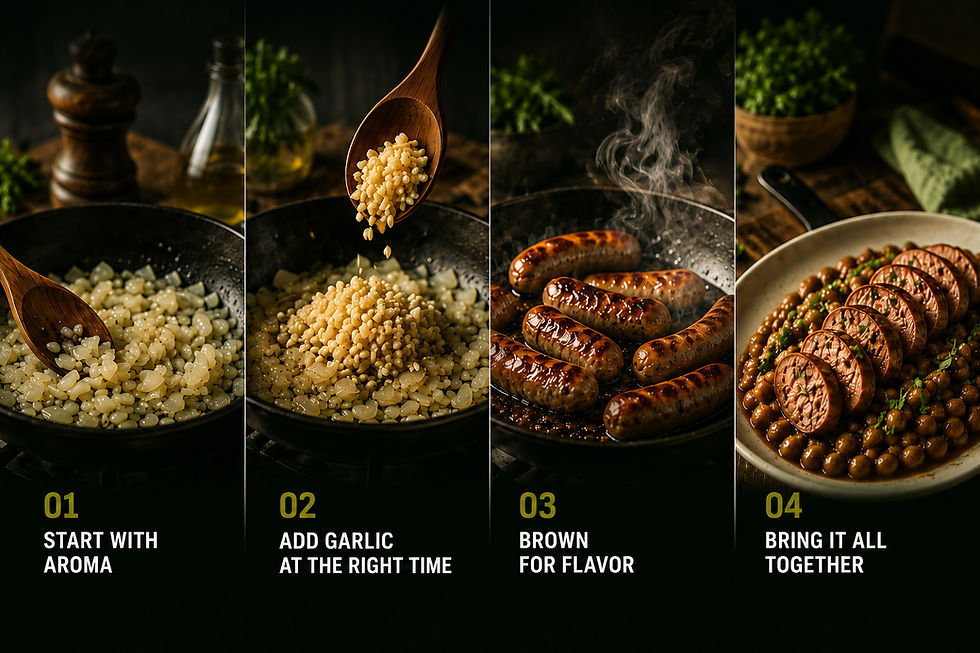
Most people believe that becoming a better cook is primarily about developing skill. They assume that confident cooks possess a kind of intuition that allows them to move effortlessly through recipes, adjusting heat without hesitation and seasoning dishes without second guessing themselves. From the outside, it can seem as though great cooking belongs to those with natural talent while everyone else simply follows instructions and hopes for the best.
Yet spending time in real kitchens often reveals a different reality. The people who consistently prepare satisfying meals are not always the most technically advanced. They are not necessarily using expensive equipment or applying complicated techniques. More often, they have simply learned to understand the rhythm of cooking itself. They know what should happen first, what should happen later, and why certain steps matter more than others.
Good cooking is frequently less about extraordinary ability and more about sequencing. It is the understanding that flavor develops in stages, that ingredients behave differently depending on when they are introduced, and that timing influences texture just as much as temperature. The difference between a stressful experience in the kitchen and a confident one often comes down to recognizing that cooking is a process built through progression rather than isolated actions.
Recipes offer direction, but they rarely explain the reasoning behind every instruction. They may tell us to soften onions before adding garlic or brown sausage before introducing liquid, yet many home cooks follow these steps without understanding why they exist. Others rearrange them entirely because they seem unimportant. Sometimes those changes have little impact. Other times, they completely transform the outcome of the meal.
Understanding sequence means recognizing that every stage of cooking prepares the way for the next. The order of events shapes flavor, aroma, texture, and even the confidence we feel while cooking. Once people begin to notice these patterns, the kitchen becomes a far more approachable place.
The Difference Between Following Instructions and Understanding Them
Recipes play an important role in helping people learn to cook. They introduce unfamiliar ingredients, suggest useful techniques, and provide reassurance when preparing something new. For beginners especially, recipes offer structure in situations that might otherwise feel overwhelming.
However, recipes can also create the impression that cooking is simply about following directions as accurately as possible. Heat the oil. Add the onions. Stir occasionally. Add the garlic. Brown the sausage. Simmer. Serve. The instructions appear straightforward, but they often leave out the reasoning behind the sequence.
Without understanding why those steps exist, cooking can feel rigid and stressful. People worry about making mistakes because they believe success depends entirely on perfect execution. If something goes wrong, they assume they lack skill rather than considering whether the process itself could be adjusted.
Understanding sequence changes that perspective. It shifts attention away from memorization and toward observation. Instead of asking, "What does the recipe say?" cooks begin asking, "What is this step trying to accomplish?" That small change in mindset encourages flexibility and builds confidence over time.
Why Flavor Develops Through Sequence
One of the most important reasons sequence matters is because flavor develops gradually rather than instantly. Ingredients change as they move through different stages of cooking, and the timing of those transformations affects the overall character of the meal.
Consider onions. Raw onions deliver sharpness and intensity, but exposure to heat softens their texture and encourages their natural sweetness to emerge. This transformation takes time. Garlic behaves differently. It cooks quickly and can become bitter when exposed to prolonged high heat. When both ingredients are added simultaneously, garlic may lose its delicate aroma before the onions have fully softened.
The same principle applies to many other ingredients. Dried spices often release their aromas more effectively when briefly introduced to fat before liquids enter the pan. Fresh herbs tend to preserve their brightness when added toward the end of cooking. Acids such as citrus juice or vinegar frequently provide more impact when used as finishing elements rather than cooking ingredients.
Flavor is rarely the result of a single action. Instead, it emerges through a series of decisions that build upon one another. Understanding that progression allows cooks to shape meals with greater intention.
Browning Before Simmering Changes More Than Appearance
One of the clearest examples of sequencing appears during browning. Many home cooks have prepared dishes by placing every ingredient into the same pot at the same time. While this approach often produces acceptable results, it may overlook an important stage of flavor development.
When sausage browns before liquid is introduced, the surface undergoes noticeable changes. Richer aromas develop. Texture becomes more varied. Rendered fat begins carrying those flavors throughout the dish. Once moisture dominates the environment, opportunities for browning decrease significantly because the surface temperature remains lower.
This does not mean that every dish requires aggressive browning. Some meals rely on gentler methods for entirely different reasons. The important lesson is that different stages of cooking serve different purposes. Understanding when and why those stages matter allows cooks to make informed choices rather than relying solely on habit.
Two meals prepared with identical ingredients can taste remarkably different simply because one respected the sequence while the other overlooked it.
Texture Depends on Timing as Much as Heat
Flavor tends to dominate conversations about cooking, but texture plays an equally important role in shaping satisfaction. The way food feels influences how we experience it, often without conscious awareness.
A sausage with a properly browned exterior and a juicy interior creates contrast that makes each bite more engaging. Vegetables that retain slight firmness contribute structure and interest. Fresh herbs added at the end provide brightness that would disappear if exposed to prolonged heat.
Poor sequencing can compromise these qualities. Ingredients added too early may continue softening beyond their ideal point. Delicate elements lose distinction. Proteins remain exposed to heat longer than necessary. The result is often a meal where everything feels similar in texture despite the variety of ingredients involved.
Experienced cooks learn to think about texture proactively. They understand that not every ingredient belongs in the pan at the same moment. Instead, each component follows its own timeline, contributing to a final result that feels balanced and dynamic.
Preparation Supports Better Sequencing
Many people describe confident cooks as calm and organized. They appear comfortable moving between tasks without becoming overwhelmed, which can create the impression that they possess exceptional talent.
In reality, preparation often explains much of that confidence.
Ingredients are washed and chopped before cooking begins. Seasonings remain within reach. Equipment is ready before heat enters the equation. These small habits reduce unnecessary distractions and allow cooks to focus more fully on the process itself.
Without preparation, cooking becomes reactive. The onions need stirring while the garlic still needs chopping. Bread requires attention while other ingredients continue cooking unattended. The kitchen begins demanding responses rather than encouraging observation.
Preparation creates space for sequencing to work effectively. It allows cooks to notice changes in aroma, texture, and moisture because their attention is not divided by preventable interruptions.
Observation Bridges the Gap Between Recipes and Reality
Recipes provide valuable guidance, but they cannot anticipate every variable that influences cooking. Ingredients differ in moisture content. Cookware behaves differently. Environmental conditions change from one day to the next.
Observation helps bridge that gap.
Experienced cooks learn to notice how ingredients respond in real time. They recognize when onions have softened enough to support the next stage. They observe how quickly sausage begins browning. They pay attention to the aroma released from warming spices.
These observations inform decisions about sequence more effectively than strict timing alone. A recipe may recommend cooking onions for five minutes, but observation reveals whether those onions actually require more or less time under the current conditions.
This awareness encourages adaptability. Rather than treating recipes as rigid instructions, cooks begin using them as guides while remaining responsive to the realities unfolding in front of them.
Confidence Often Comes From Understanding Process
Many people believe confidence arrives only after years of experience. While repetition certainly helps, confidence often begins much earlier through understanding.
When cooks understand why steps occur in a particular order, the kitchen feels less unpredictable. Mistakes become opportunities to learn rather than evidence of failure. Small adjustments feel manageable because the reasoning behind them is clear.
Someone who understands why garlic follows onions can recover when timing shifts unexpectedly. Someone who recognizes the value of browning before simmering can adapt recipes without sacrificing flavor development.
Confidence does not mean avoiding mistakes entirely. It means trusting one's ability to respond thoughtfully when situations evolve. Sequencing provides a framework that supports that trust.
Small Decisions Shape Every Meal
Perhaps the most important realization is that good cooking rarely depends upon a single dramatic moment. Meals emerge from the accumulation of smaller decisions made throughout the process.
An extra minute is spent allowing onions to soften properly. Waiting to add fresh herbs until just before serving. Resting cooked proteins before slicing. Choosing brown sausage before introducing liquid. These choices appear minor in isolation, yet together they influence the character of the final meal.
People often search for transformative techniques that promise immediate improvement. In reality, many meaningful changes arise through greater attention to sequencing. Better meals frequently result from understanding order rather than mastering complexity.
Good cooking will always involve ingredients, equipment, and technique. Yet beneath those visible elements lies something quieter and perhaps more important. The recognition that each stage prepares the way for the next.
The kitchen has its own rhythm. Those who learn to move with that rhythm often discover that cooking becomes less intimidating and far more rewarding. The recipe still matters, but understanding sequence allows people to bring those instructions to life with greater awareness and confidence.
Good cooking is not simply about knowing what to do. More often than we realize, it is about understanding when to do it. And that understanding remains available to anyone willing to observe, adapt, and appreciate the thoughtful progression that turns individual ingredients into memorable meals.


Comments