
How to Use Latin Meats as Pizza Toppings That Actually Work
- Rafaela
- Aug 6, 2025
- 5 min read
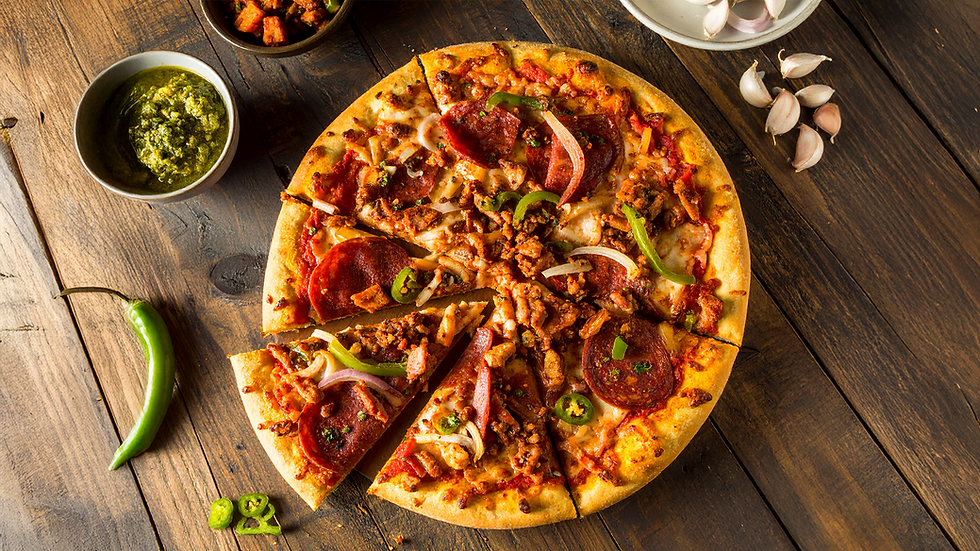
Pizza has always been a canvas for creativity. From the classic cheese and pepperoni to wild experiments like pineapple or truffle oil, everyone has an opinion on what belongs on a slice. But one category that deserves more attention is Latin meats. Longaniza, chorizo, jamonada, and even morcilla are all full of character. And when paired with pizza’s essential elements like tomato sauce, cheese, and dough, the latin meats bring something special to the table.
This is not about tossing random ingredients on top and calling it fusion. It is about understanding how Latin flavors work with the traditional pizza base, and what makes certain combinations feel right. This guide is for anyone who wants to build a pizza that honors both sides, the comfort of pizza and the depth of Latin meats, without one overpowering the other.
Let us walk through what to use, how to use it, and why it works.
Choosing the Right Latin Meats
Not all meats are created equal when it comes to pizza. Some are too wet. Some are too dry. Some overpower the sauce or melt into the cheese and disappear. A good Latin meat for pizza has to check a few boxes.
It should complement the base flavors
Tomato sauce, mozzarella, and crust are already rich and savory. You want a meat that adds spice, smoke, and tang without fighting the rest.
It should cook well in high heat
Most pizzas bake in a very hot oven. If the meat needs a longer cooking time or cannot handle heat, it will not taste right or might dry out.
It should have a sliceable or crumble-ready texture
Big chunks or greasy slices that slide around do not belong. The meat needs to feel like part of the pizza, not an afterthought.
Based on this, here are a few of the best Latin meats for pizza and what makes them work.
Chorizo: A Bold and Versatile Option
Spanish-style chorizo is a natural fit for pizza. It is cured, firm, and packed with smoked paprika and garlic. It crisps beautifully in the oven, and its oil seeps into the cheese in the best possible way.
The key with chorizo is slicing it thin. You do not want thick coins that turn rubbery. Use a sharp knife and cut it as you would pepperoni, thin enough to get crisp on the edges, but thick enough to hold flavor. Spanish chorizo pairs especially well with mozzarella and manchego cheese. Try it on a white pizza with no tomato sauce or let it blend into a simple marinara for a smoky touch.
Mexican chorizo, on the other hand, is fresh and loose. This kind needs to be cooked ahead of time. Brown it in a pan, break it into small crumbles, and drain the fat before adding it to the pizza. It is fantastic with fresh jalapeños, red onion, and even a sprinkle of cotija cheese.
Dominican-style chorizo is a bit denser and meatier. Slice it thin and pan-sear briefly to render some of the fat. It holds up well with roasted peppers and a touch of sharp cheese like queso fresco or even a mellow provolone.
Longaniza: Rich Flavor with a Softer Bite
Longaniza varies by country, but most versions are garlicky and seasoned with herbs or vinegar. It tends to have a softer texture than chorizo, which makes it great for crumbling or pan-slicing.
If you are working with fresh Dominican longaniza, cook it fully before using. Slice into coins and brown them well to develop flavor. Let them cool slightly before scattering on your pizza.
Longaniza works best on pizzas that lean slightly sweet or acidic. Try it with pineapple or pickled onion if you are feeling adventurous. Or keep it grounded with roasted tomato, garlic, and a mild cheese base.
The flavor is more mellow than chorizo, so it lets other toppings shine too. It also pairs nicely with a drizzle of hot honey after baking if you are into contrast.
Jamonada: A Hidden Gem for Meat Lovers
Jamonada, often overlooked, is a smooth and savory deli-style pork product similar to ham or bologna. But do not let that fool you. When sliced thin and crisped in the oven, it can bring a salty, satisfying bite to a pizza.
Since it is already cooked, jamonada does not need much time in the oven. Slice into ribbons or cubes and place it under a light layer of cheese to keep it from drying out.
It works well with sweet and sharp additions. Think roasted red peppers, pineapple, or even a bit of chimichurri as a post-bake drizzle. Jamonada brings a familiar comfort that makes it perfect for kids or anyone who prefers their toppings mild but meaty.
Morcilla: For the Bold and Curious
Morcilla, or blood sausage, is not for everyone but for those who enjoy its earthy, rich flavor, it can be a showstopper on the right pizza.
You will need to cook it fully before adding. Crumble or slice after removing the casing and sauté until just crisp. Because of its intensity, keep the rest of the pizza simple. Try a white pizza with caramelized onion and goat cheese, or pair it with apples and a sprinkle of parsley.
Morcilla is best in small doses. A little goes a long way, but when balanced right, it adds something truly memorable.
Tips for Building a Latin-Inspired Pizza That Works
Do not overload the dough
This rule holds true for all pizza, but especially when using bold meats. A thin layer of toppings ensures even cooking and lets each flavor come through.
Cook certain meats ahead of time
Fresh sausages like longaniza or Mexican chorizo must be cooked before hitting the dough. Otherwise, they will steam and release too much moisture. Pre-cooking also helps develop a crust, which adds texture.
Balance the fat
Latin meats tend to be rich. Pair them with acidic or crunchy toppings to keep things balanced. Pickled vegetables, fresh herbs, or even a squeeze of lime after baking can brighten everything up.
Experiment with cheese
Mozzarella is always a safe base, but do not be afraid to mix in Latin cheeses like Oaxaca, queso fresco, or even manchego. They bring new textures and tastes that complement the meats.
Use the oil
Do not throw away the oil left in the pan after cooking chorizo or longaniza. That fat is packed with flavor. Brush it onto the dough before adding sauce or drizzle it on the crust before baking for a serious upgrade.
A Few Flavor Combos to Try
Spanish chorizo with manchego, roasted red peppers, and a drizzle of olive oil
Cooked Mexican chorizo with jalapeño, mozzarella, and pickled red onion
Dominican longaniza with pineapple, sharp cheddar, and garlic oil
Jamonada with tomato, mozzarella, and chimichurri after baking
Morcilla with caramelized onion, goat cheese, and a handful of arugula
These are just starting points. The real joy is in trying your own combinations and finding what works for your taste.
Final Thoughts
Latin meats are often full of bold flavor and history, but they do not always get the spotlight when it comes to pizza. With a little care and the right technique, they can bring something new and deeply satisfying to the table. The key is balance by respecting both the character of the meat and the nature of the pizza itself.
So next time you are reaching for pepperoni or sausage, consider reaching for longaniza or chorizo instead. Slice it right. Cook it right. Pair it with purpose. You might just find your new favorite topping.


Comments